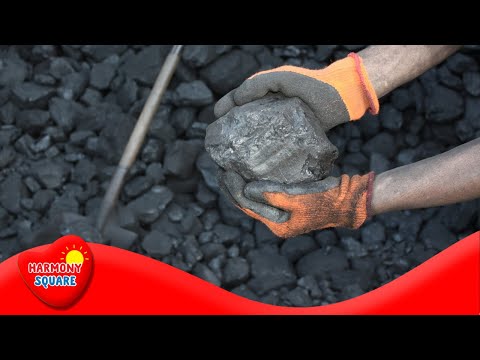
Did you know the phone or computer you’re using started as rock deep underground? In this lesson, we explore the fascinating—and sometimes risky—world of mining and how we get the minerals that power modern life.. In this Grades 4–8 Earth science lesson, students will learn:. • What mining is and why humans extract minerals, metals, coal, and other natural resources. • The difference between ores, minerals, and the everyday products made from them. • How surface mining and underground mining work, with clear visual models. • Real environmental impacts of mining on land, water, habitat, and communities. • Why recycling, reducing use, and land reclamation help protect nonrenewable resources. Summary: Mining is the process of extracting valuable minerals and metals from the Earth, from coal and oil shale to gemstones, rock salt, and clay. This video explains how geological deposits called “ore bodies” are located, how open-pit (surface) mines and deep underground mines remove rock, and how those materials are processed into the metals and elements used in millions of manufactured products. Students see how mining connects to the rock cycle, natural resources, and human impact on Earth’s systems.. Teachers u0026 Parents: Designed for upper elementary and middle school, this video supports NGSS Earth and Human Activity standards (4-ESS3-1, MS-ESS3-3, MS-ESS3-4) and informational text skills. Use it to introduce a unit on natural resources, spark discussion about environmental impact, or reinforce vocabulary like ore, reclamation, nonrenewable resource, and mineral resource.. . Subscribe for more “Curriculum for Curious Minds” and discover our complete science unit here: . https://bit.ly/4sjvvql. . Chapters. 0:00 Introduction: What is Mining? 0:45 Ores, Minerals u0026 Geological Deposits 1:30 Type 1: Surface Mining Explained 2:45 Type 2: Underground Mining Explained 4:15 Environmental Impacts of Mining 5:30 Recycling u0026 Land Reclamation 6:45 Conclusion u0026 Future of Resources. . Standards. Best Fit: This video bridges Earth Science and Social Studies.. • NGSS 4-ESS3-1 (Earth and Human Activity): Obtain and combine information to describe that energy and fuels are derived from natural resources and that their uses affect the environment. . . o Evidence: Video details extraction of minerals/coal and specific environmental impacts like habitat loss.. • NGSS MS-ESS3-3 (Earth and Human Activity): Apply scientific principles to design a method for monitoring and minimizing a human impact on the environment. . . o Evidence: Discusses land reclamation and recycling as solutions to mining impacts.. • CCSS RI.4.3 / RI.5.3: Explain events, procedures, ideas, or concepts in a scientific text.
 This Is What Happens When We Mine For Metals
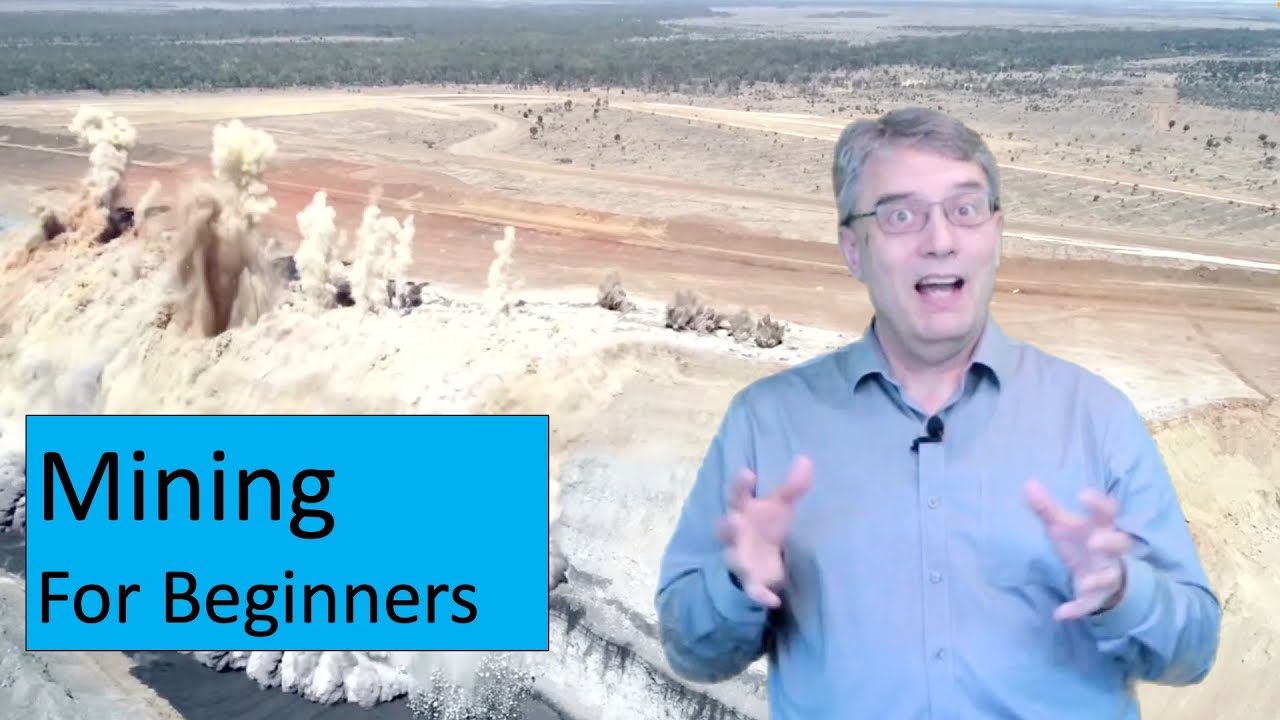 Mining For Beginners How Does A Metals And Mineral Mine Work
Howstuffworks Ore To Steel
 Learn Mining For Kids Learn About Science For Kids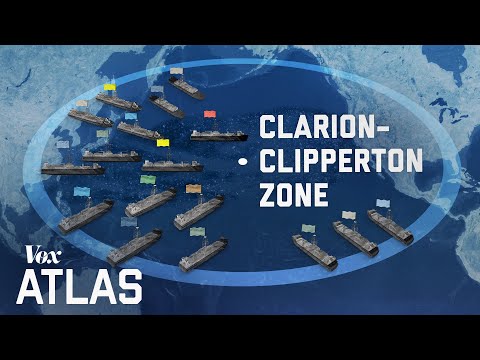
 The Race To Mine The Bottom Of The Ocean